Start your journey here
Learn to Practice Together
Emotional growth does not begin in the middle of a difficult moment. It grows through the small, intentional experiences children and grown-ups share before, during, and after challenges arise.
Learn to Practice Together is a repeating four-part article structure at the heart of The Parallel Journey™, designed to support relational growth between a child and grown-up.
Each week brings a new article introducing a different way to practice together through emotional awareness, co-regulation, communication, choice-making, play, or reflection.
The purpose is not to train children to hide their feelings, quickly calm down, or comply with adult expectations. It is to give children and grown-ups opportunities to understand their nervous systems, discover what helps them feel connected, and develop skills they can draw upon when big feelings or difficult transitions arise.
Each article has a feel technique for you to try with an explanation of how to use it effectively.
Want access to all the free tools in on easy location?
Join the Club for free and get access to the Satori Kid Club Member Tool Shed. Helpful tools to expand your Growth Garden™ and build stronger relationships with the child in your life.
Four Ways to Practice Together
1. Practice a Technique
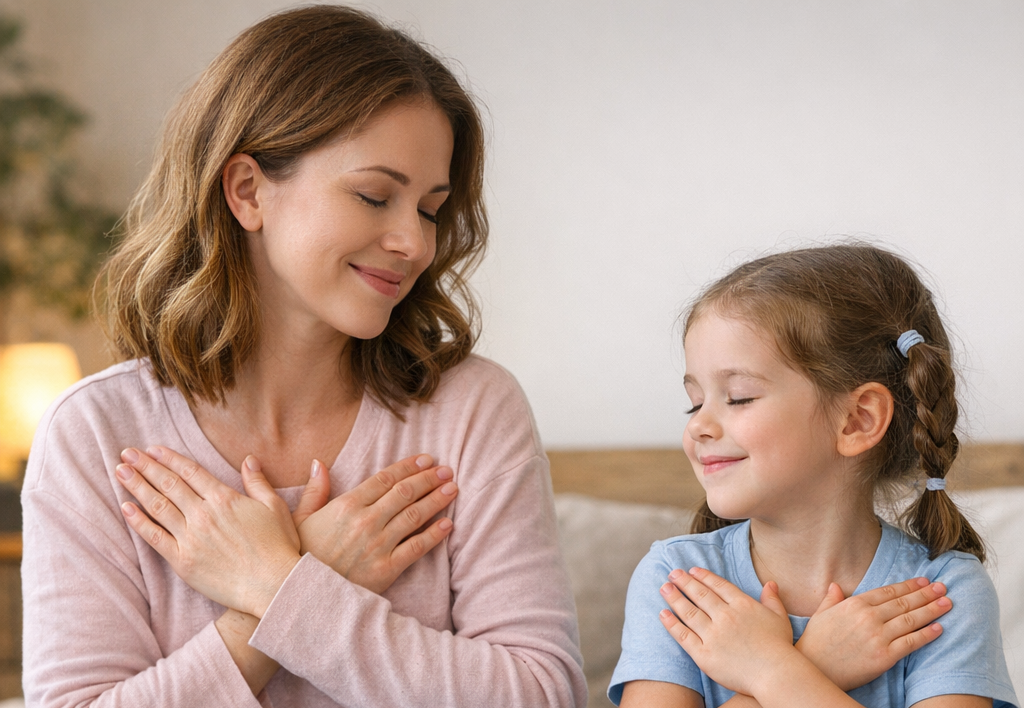
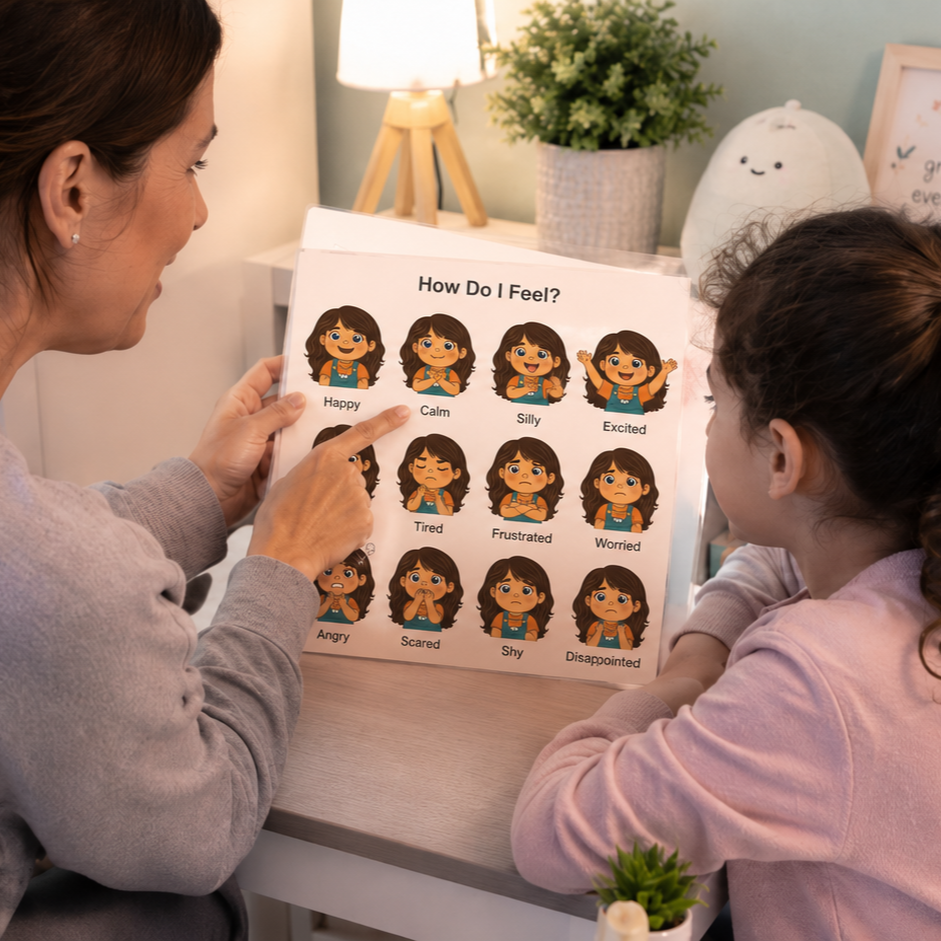
Explore a co-regulation, calming, emotional-awareness, or communication technique together.
Practicing when things feel calm gives both you and your child time to become comfortable with the technique before you need it during a difficult moment.
Practice is more than preparation. It is a proactive way to help both nervous systems become familiar with the tools, language, and connection you can return to when big feelings arise.
2. Practice Making Choices

Children need more than instructions for managing their emotions. They need meaningful opportunities to develop agency within the relationship.
During calm moments, the child and grown-up can explore possible paths for situations that may feel difficult. Together, they can discuss what support might help and create Choose Your Path options the child can return to when a big feeling arises.
The grown-up continues to provide safety, guidance, and appropriate boundaries, while the child participates in deciding how they would like to move through the experience. This transforms choice from an in-the-moment attempt to gain cooperation into a skill that has been thoughtfully explored and practiced together.
3.Practice Through Play
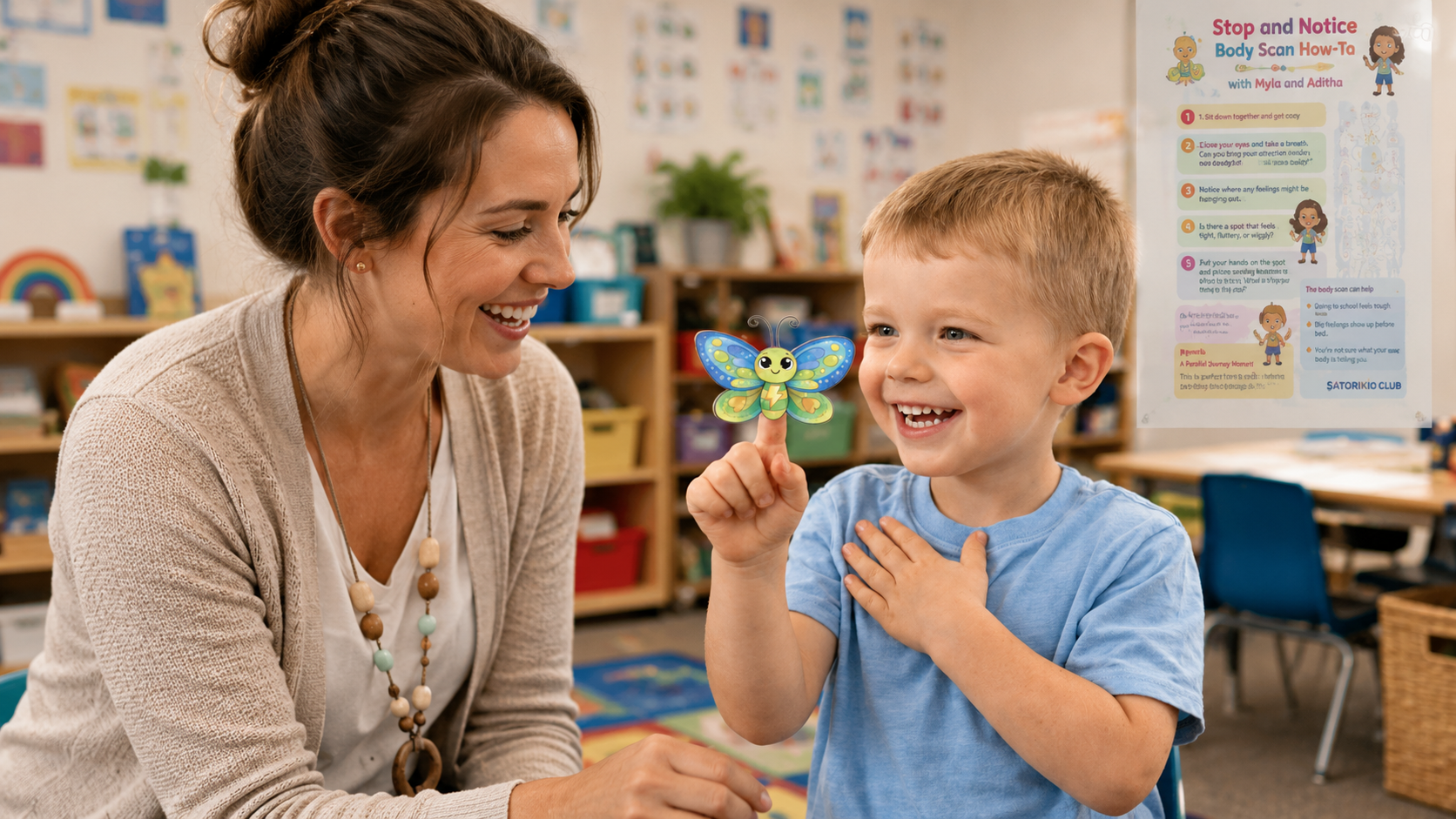
Play is one of the most natural ways children learn, communicate, and process their experiences.
Through stories, imaginative play, role-play, games, movement, art, and crafts, children can safely explore feelings, relationships, transitions, and challenging situations. Play may help a child express something they cannot yet explain directly. It also gives the child and grown-up space to experiment with different responses without the pressure of a real-time problem.
When grown-ups join children in play with curiosity, they gain a window into the child’s inner experience. Together, they can rehearse supportive paths, build emotional language, and strengthen the sense that difficult feelings do not have to be faced alone.
4. Practice Through Reflection
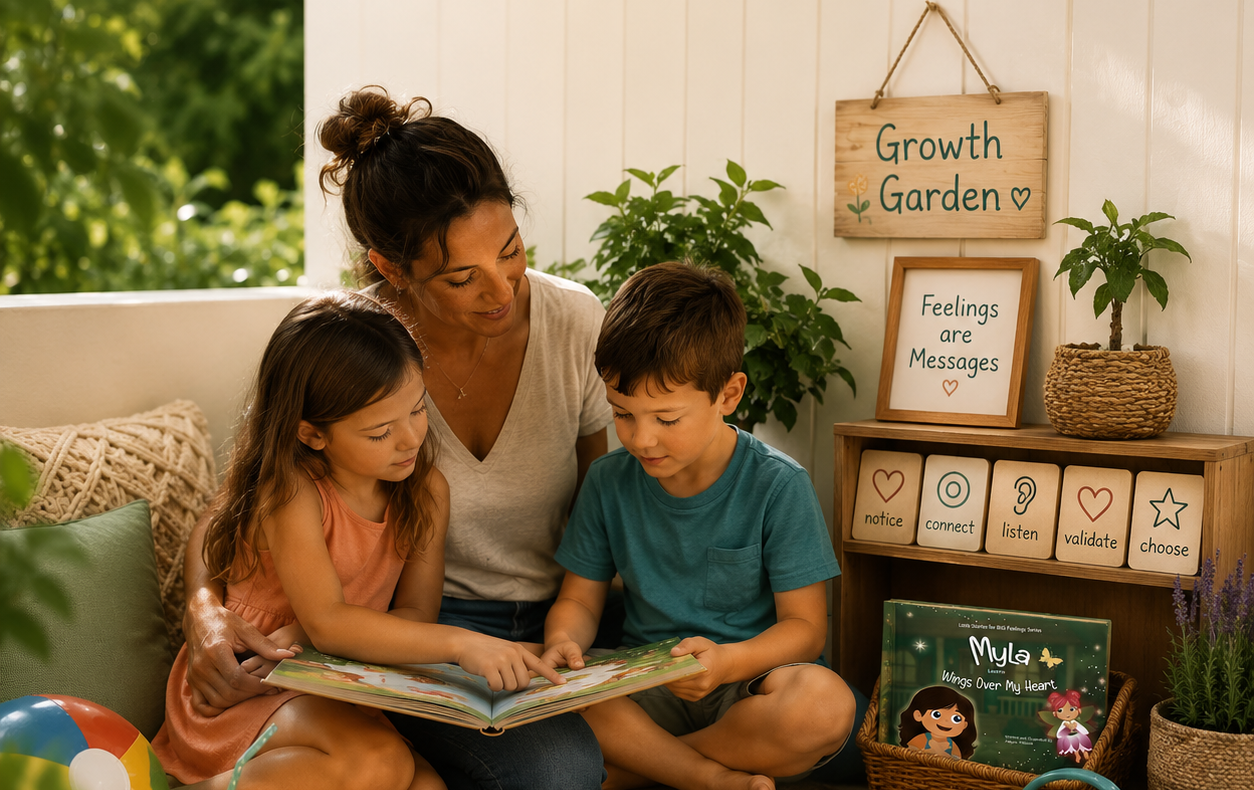
Reflection helps children and grown-ups make meaning from what they have experienced.
This may happen through journaling, self-reflection worksheets, meditation, mindfulness activities, creative expression, or an open discussion. Reflection should not feel like an interrogation or an evaluation of what the child did right or wrong. It is a shared opportunity to slow down and become curious.
Together, the child and grown-up might explore:
- What sensations did we notice in our bodies?
- What feelings were present?
- What helped us feel connected?
- Which choices felt supportive?
- What did not help?
- What might we practice or change next time?
- Could this experience be telling us that something more is going on?
The grown-up also reflects on their own feelings, reactions, and needs. This is an important part of
the Parallel Journey™: both people are learning, adjusting, and growing within the relationship.
Take a Look at Last Month's Article Series
A Little Support for Grown-Ups
☀️Summer Survival Series
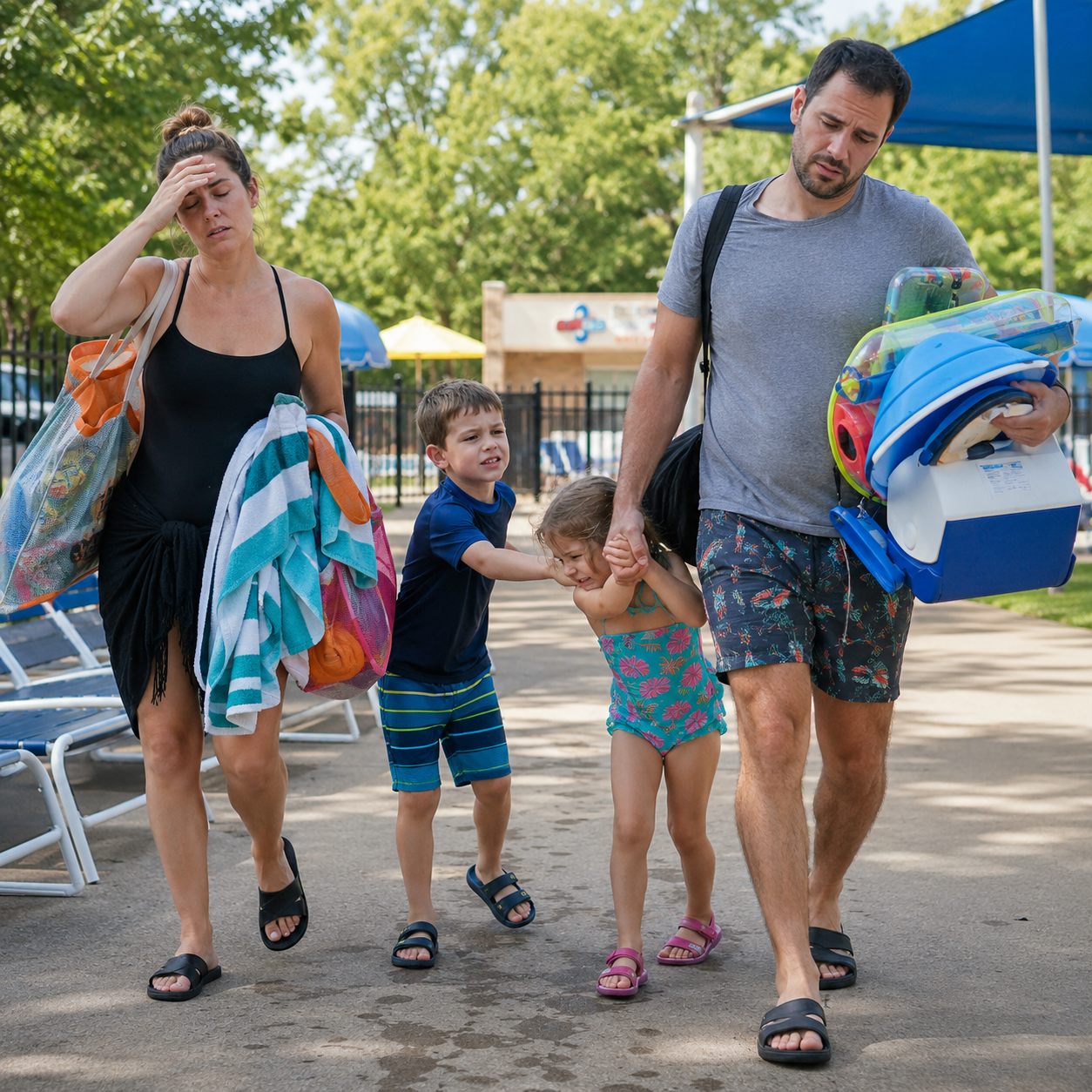
Summer with kids home shouldn’t feel like a constant battle of wills or a test of endurance. The Summer Survival Series brings our guiding principle, The Parallel Journey™, into your daily routine.
These articles offer real‑time tools to help you process big emotions alongside your child. Grounded in developmental neuroscience and somatic awareness, the series shows how to use
The Satori Shift™ 5‑Step Process to move from reactive control to a centered co‑learning partnership. By practicing these emotional skills during everyday summer stress, you’ll strengthen communication, model authentic regulation, and build a deeply rooted relationship with your child. Explore the articles below to start practicing today.


FROM SATORI KID CLUB
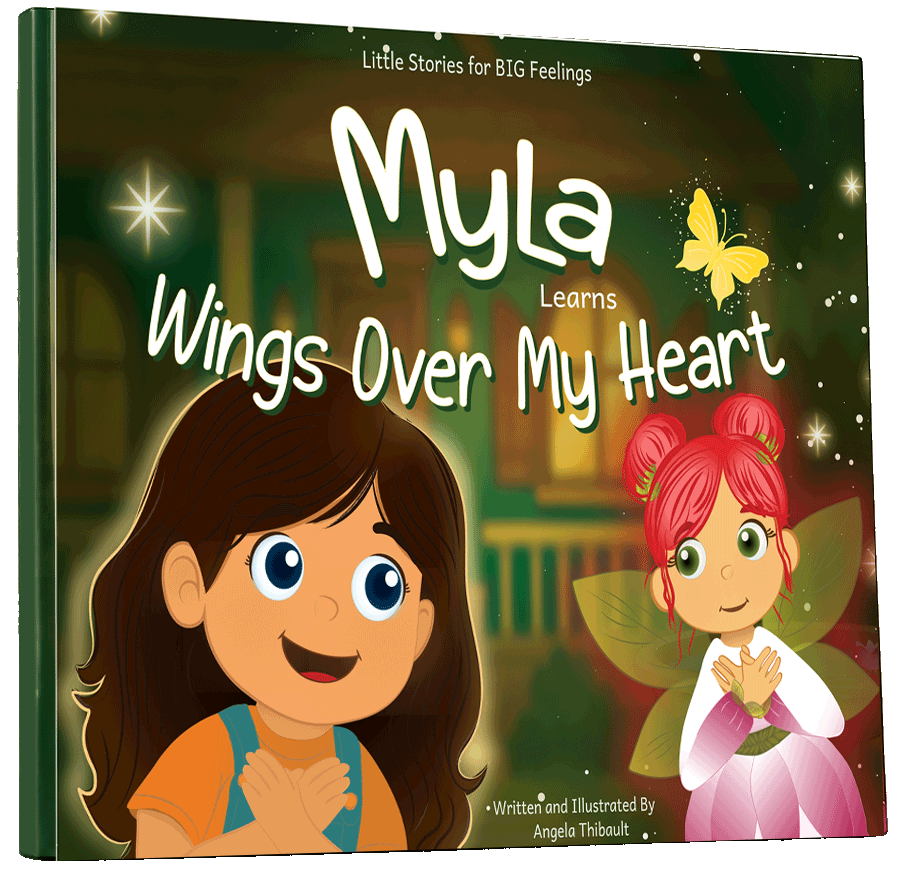
A Little Story to Help Process BIG Feelings.
A Children's Book Teaching a Simple, Repeatable Centering Practice for Big Feelings.
Check Even More Resources Out!