
Start your journey here
How to Raise a Satori Kid Who Is Emotionally Resilient, Self-Aware, and Deeply Connected
All activities should be supervised by an adult.
Share

How to Raise a Kid Who Is Emotionally Resilient, Self-Aware, and Deeply Connected (A Satori Kid)
Parenting can feel like a balancing act—you want your child to grow into a confident, self-aware adult, but some days it feels like you’re stuck in a loop of frustration, big emotions, and worry. If you’ve ever asked yourself, How do I stop passing down the struggles I grew up with? or How do I create a better foundation for my child?—you’re not alone. These are questions many parents wrestle with, and they’re the first steps toward breaking free from old patterns.
The word "Satori" has always resonated with me. It’s a term rooted in awakening or understanding, and it speaks to the journey of growth and connection we take as parents. For me, a Satori Kid embodies emotional resilience, self-awareness, and connection—but raising one isn’t just about teaching these qualities. It’s about awakening to our own growth as parents, healing ourselves so we can help our children thrive. That’s what this journey is all about.
And here’s the beautiful part: when you work on healing yourself, you simultaneously teach your child the skills they need to grow. That’s the heart of
The Parallel Journey™—a journey of growth for both parent and child.
How Do I Stop Passing Down Family Trauma to My Kids?

If you’re worried about passing down trauma or unhealthy patterns, you’re already taking a huge step: awareness. The truth is, many of the patterns we inherit—like reacting in frustration, ignoring emotions, or striving for perfection—are learned unconsciously. Recognizing them is the first step to change.
Here’s how you can start:
Pause and Reflect: Think about moments when your reactions mirror your own upbringing. Ask yourself, Is this behavior helping or hurting my relationship with my child?
Empathy First: Instead of reacting to your child’s behavior, try responding with curiosity. What are they trying to tell you?
Learn Together: One thing that helped me was learning the ABCs of Empathy. It taught me how to listen and respond to my child in ways that made them feel heard while helping me unlearn old patterns.
Healing these cycles isn’t about rejecting our parents; it’s about choosing to respond differently, making choices that create a healthier path forward for ourselves and our children.
What Does It Mean to Heal Generational Cycles?
Healing generational cycles means creating a healthier emotional foundation for your family. But healing isn’t about erasing or rejecting the past. It’s about understanding where we came from and choosing a different path forward.
Think of it this way:
- Breaking generational cycles focuses on stopping harmful behaviors.
- Healing generational cycles focuses on transformation, nurturing, and creating something new.
For me, healing started when I realized that my child’s meltdowns weren’t a sign of defiance but a sign of overwhelm. Understanding how the nervous system works—how fight, flight, and freeze responses show up in kids—helped me see their behavior as a cry for connection, not a problem to fix.
I dive deeper into this in the
Parent Support Guide, part of the
Myla Gets to the Root Bundle, which is designed to help parents understand and respond to their child’s emotional world.
How Can I Break Unhealthy Patterns in My Family?
Unhealthy patterns don’t disappear overnight, but every small change creates a ripple effect. Here’s how to start:
- Identify the Patterns: Ask yourself, What family habits or beliefs do I want to leave behind? Write them down.
- Set Intentions: Decide on the values and behaviors you want to pass on instead. For example, replacing “Children should be seen and not heard” with “Children’s voices matter.”
- Practice Pausing: When emotions run high, take a deep breath and ask yourself, What does my child need in this moment?
The work is gradual, and that’s okay. Healing cycles take time, but every small shift moves your family toward greater connection.
How Do I Heal From the Way I Was Parented?

Many of us feel like we’re carrying the weight of our own childhood experiences as we parent. You might notice yourself saying things you swore you’d never say or feeling triggered by your child’s needs. Healing from the way we were parented begins with self-compassion.
One of the most impactful practices for me was shadow work—exploring the parts of myself I’d been avoiding. This work helped me recognize how my own unmet needs were influencing my parenting. Practices like journaling, mindfulness, and exploring the 7 Chakras helped me process these emotions and become a more present parent.
Healing isn’t about blaming our parents—it’s about understanding how their patterns shaped us and choosing to do things differently.
How Do I Stop Repeating My Parents’ Mistakes With My Kids?

The fear of repeating the past is something many parents carry. But here’s the good news: the fact that you’re asking this question shows that you’re already breaking the cycle.
Here’s what helped me:
- Connection Over Correction: Focus on what your child is trying to communicate rather than “fixing” their behavior.
- Model Growth: Your child doesn’t need you to be perfect—they need to see you learning and growing. For example, when I lose my patience, I’ll say:
“I’m sorry for raising my voice. I’m still learning how to stay calm when I’m frustrated. Next time, I’ll take a deep breath before responding so I can speak to you with kindness.”
But healing cycles isn’t just about apologizing—it’s about following up with action. Children notice changed behavior, and it’s this follow-through that builds trust and shows them how to grow.
Final Thoughts: A Journey for You and Your Child

Raising a Satori Kid isn’t about following a set formula. It’s about committing to your own growth as much as your child’s. It’s about learning, healing, and creating a home where connection thrives. And most importantly, it’s about giving yourself grace along the way.
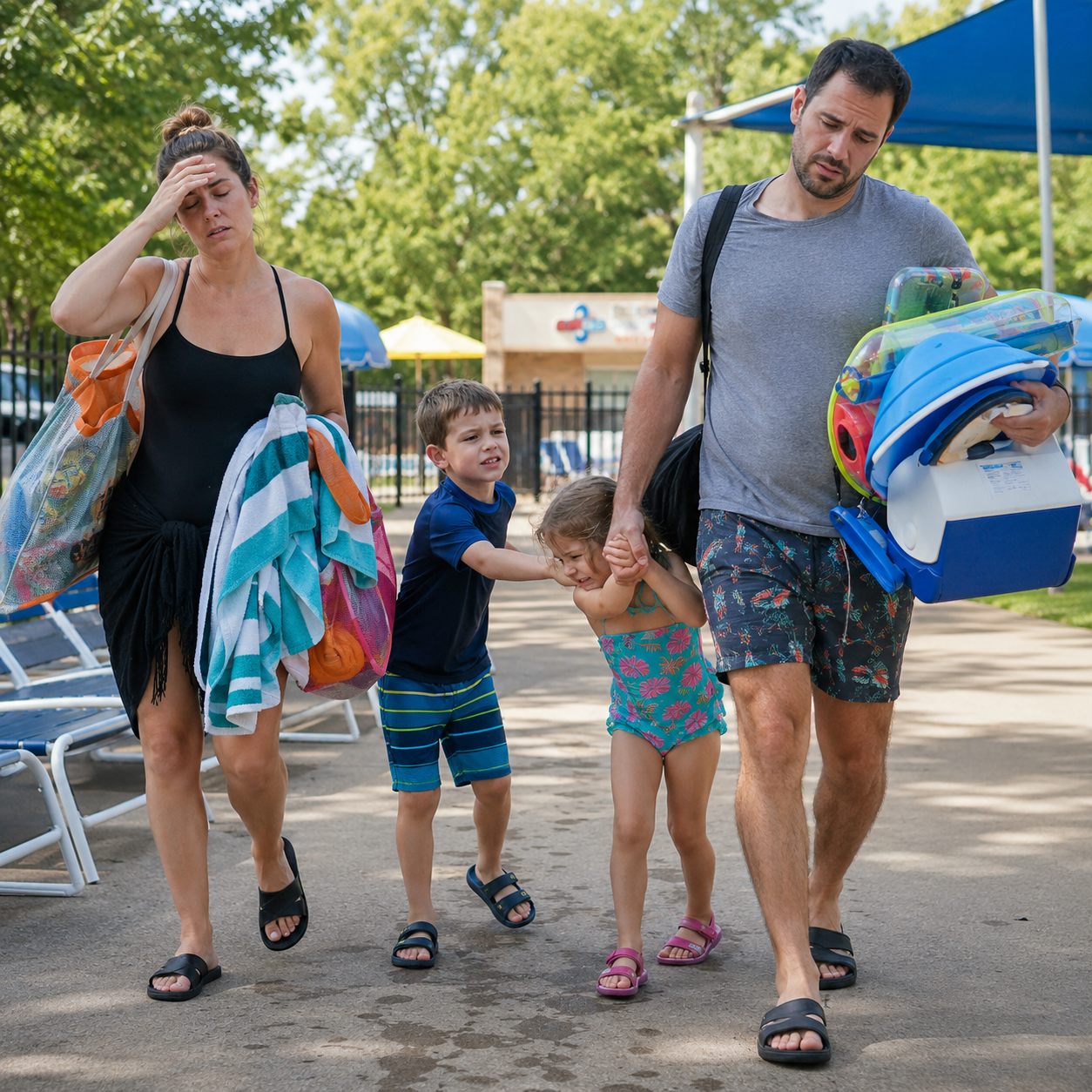
☀️Read More from My Summer Survival Series

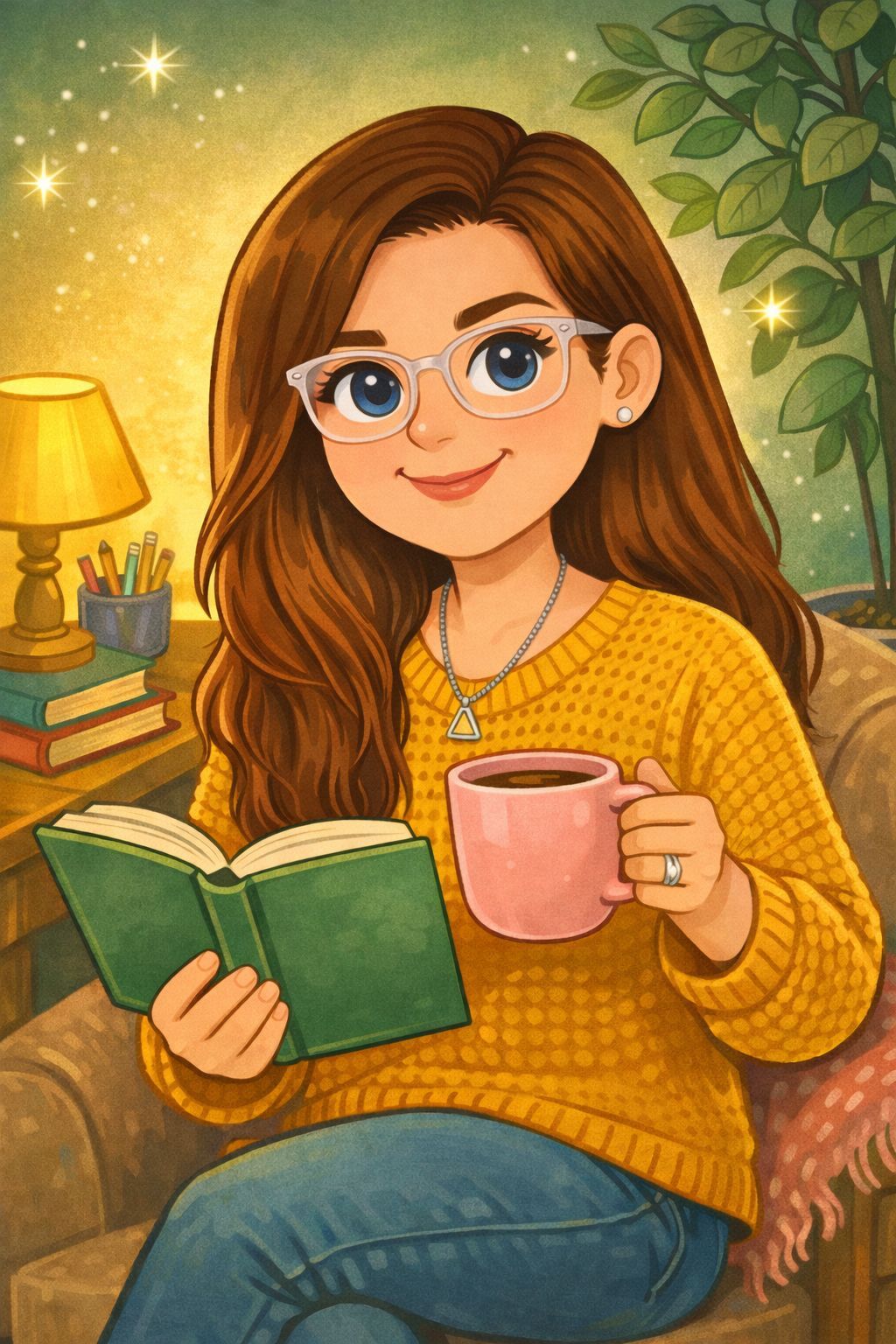
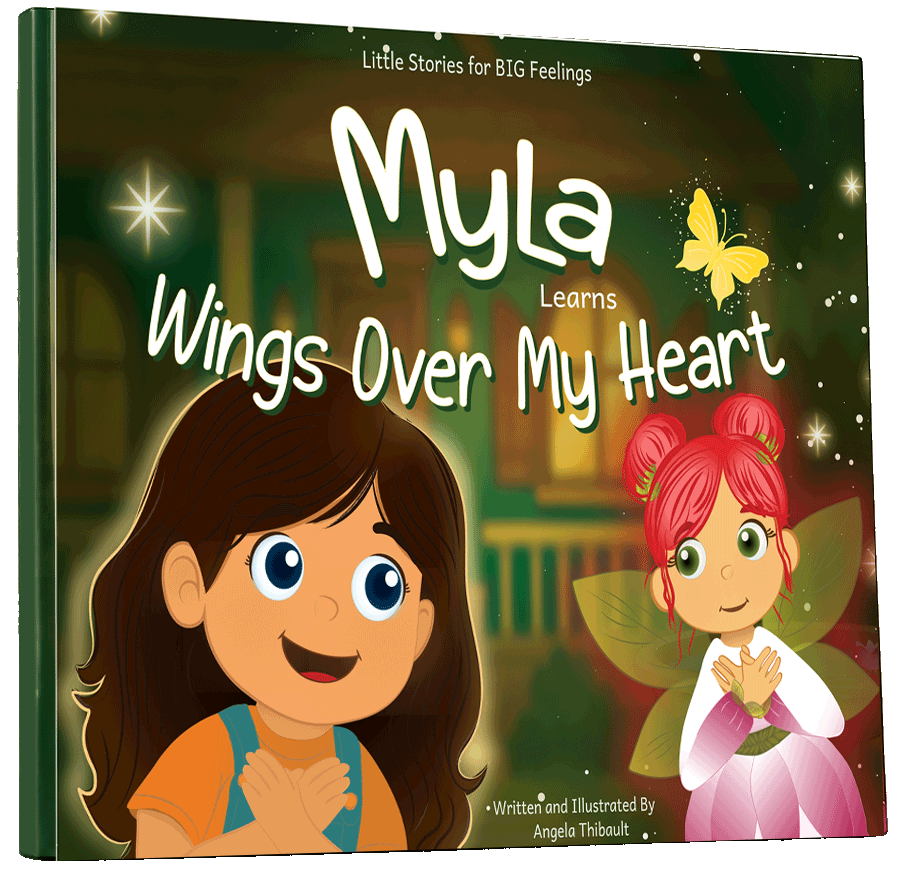
Angela Thibault is the creator of Satori Kid Club and the author and illustrator of children’s stories that children’s stories that help children learn to process BIG feelings with confidence. She is a Relational Growth Specialist who guides families in practicing emotional awareness together through dual growth between the grown up and the child. A mother for twenty-eight years, Angela has spent the last fourteen years dedicated to early childhood emotional development and relationship-based learning.
Available Now!
Also Available in
Canada Online At:
(Availability May Vary)

and in the U.S. Online At:
(Availability May Vary)




Additional Posts You Might Like!