
Start your journey here
Creating Space to Process Emotions This Summer
All activities should be supervised by an adult.
Share

Inside this article: Traditional "calm down corners" often fail because they are used as a reactive punishment after a meltdown occurs. Learn why making the shift to a proactive environment changes the cycle of summer meltdowns, moving your home from a culture of obedience to a space of genuine growth. By practicing somatic emotional skills with your child before a storm hits, you can build true co-regulation, bypass performative calm, and help your family stay centered.
🎁 Bonus Free Tool Included:
This tool helps cut through meltdown choice overload this summer.
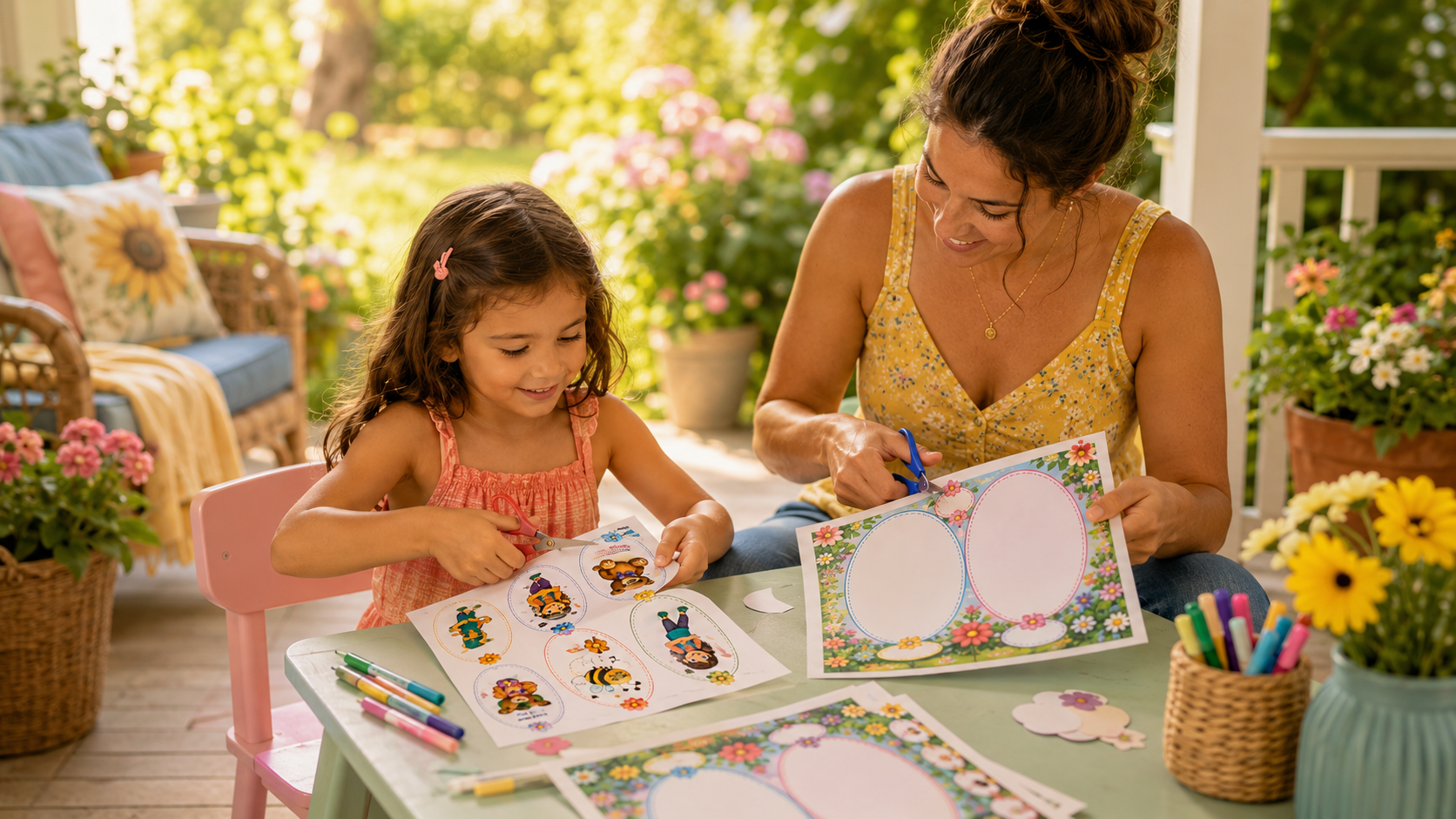
To help you establish this proactive space, you can download our brand-new printable tool for your home
Growth Garden
Tool Kit:
The Choose My Path Connection Pack. This 4-page, garden-themed kit allows you and your child to explore somatic tools on calm days and map out a simple
"Path A or Path B" plan, cutting through meltdown choice overload so your child can safely connect with themselves.
Creating Space to Process Emotions This Summer
Making the shift from reactive corners to proactive spaces.
Well summer vacation is officially upon us.
The pool days are happening. The sunscreen battles have begun. Someone has already announced they are bored, hungry, hot, and tired within the same ten-minute period.
Meanwhile, you are trying to answer an email, fold a basket of laundry, figure out what is for dinner, and remember whether you actually switched the laundry over this morning. And remember which kid needs to be at which summer program when.
And then it happens. The whining starts. The sibling fight breaks out. Someone bursts into tears because their popsicle broke in half.
Suddenly you find yourself thinking: "I thought it was vacation, is anyone going to be chill? How on earth do I get my kids to calm down?"
Google that and you get any number of responses from “plan more activities, to create a calm corner.”
Well if you read my article last week
How Am I Supposed to Survive the Summer with My Kids Home?
We won’t be planning any
MORE activities thank you. We already have enough on our plate. Last week we learned to create our
Boredom Emergency Plan instead because kids probably don’t need more activities. They need to know how to entertain themselves with activities they already have.
BUT sometimes reality doesn’t match the Pinterest board.
Creating a dedicated area for children to calm down has been a popular practice in schools and homes for over a decade. It sounds perfect on paper. But as many parents discover by mid-July, the reality doesn’t match the Pinterest board.
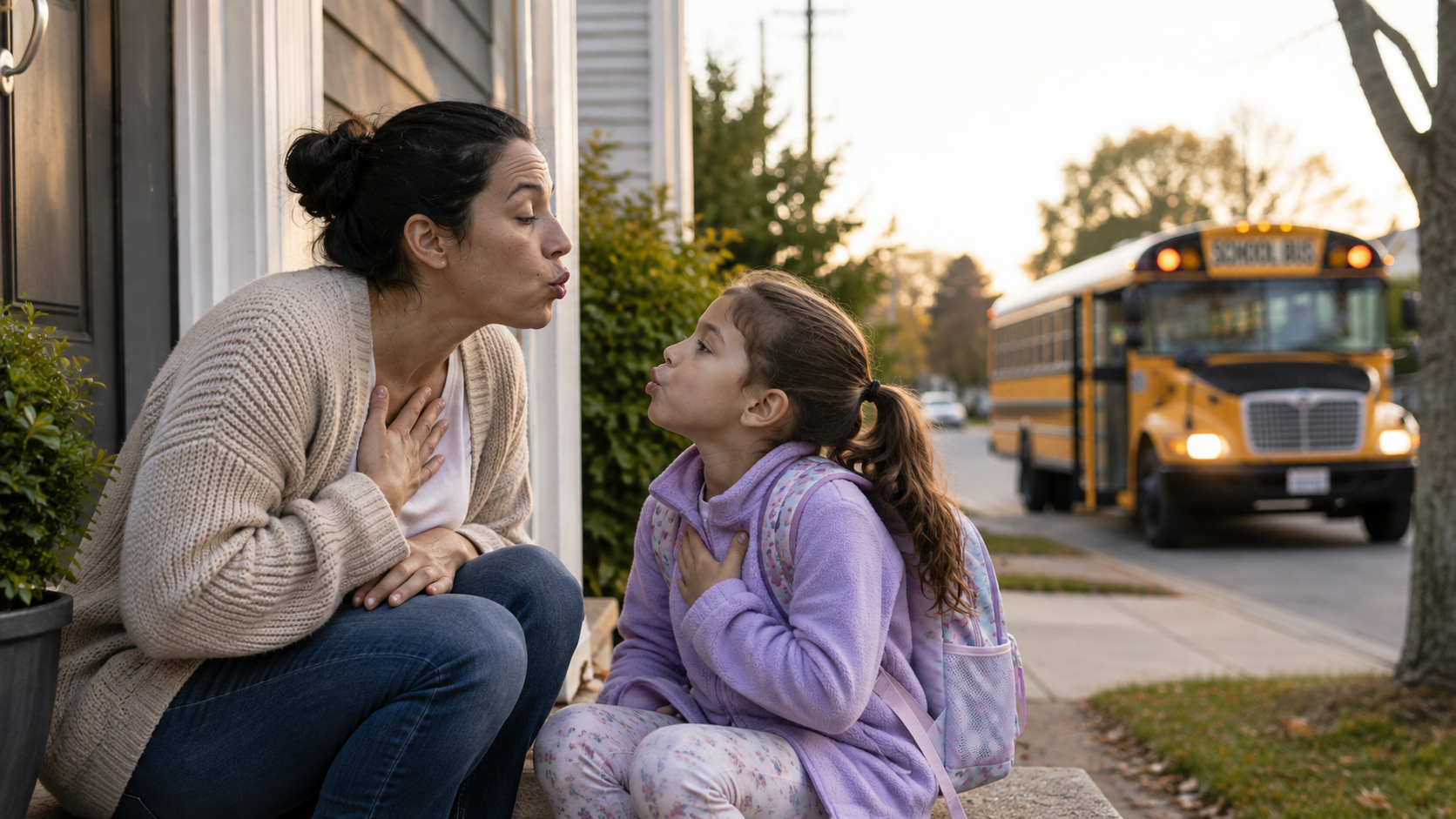
You tell your screaming child to go to the corner, and instead of taking deep breaths, they throw a pop-it at your head, scream louder, or use the space to completely ignore you.
Why do traditional calm down corners fail parents so completely during the high-stress summer months?
The answer is simple:
We are using a reactive tool to solve a proactive problem.
The Biological Reason Calm Down Corners Fail
You cannot teach a child how to swim while they are actively drowning. You have to teach them on dry land, when the waters are calm.
The same theory applies to when your child is already in the middle of a full-blown summer meltdown.
What I Wish I Knew Back in 2005
I know exactly how seductive the promise of a "calm down space" is because I fell into the trap myself. Back in 2005, during the height of the Jo Frost "Supernanny" era, we used a calm-down space in our house.
Ours was a small table that we lovingly named "The Keep." I had even hand-painted a castle right onto the wood with my kids. At the time, I thought I had completely figured it out.
I wasn't banishing them to a lonely corner, and it certainly wasn't meant as a cruel punishment.
But looking back with two decades of hindsight and modern nervous system science? It was still technically a "Time-Out." And it was 100% reactive instead of proactive.
We only used it *after* a blowout occurred. Because their little nervous systems were already drowning in fight-or-flight, forcing them to sit at "The Keep." didn't actually teach them how to process the storm. It only forced a lid onto a boiling pot.
If I could go back to those hot summer months with my kids and do it all over again, I would completely flip the script. I wouldn't wait for the storm to hit.
I would move from a reactive corner to a proactive environment. Inviting growth instead of obedience.
Moving From Reactive to Proactive: Creating a Space for Growth
To change the cycle of summer meltdowns, we have to stop treating emotional regulation like a damage-control strategy. Instead, we must treat it as a practiced skill.
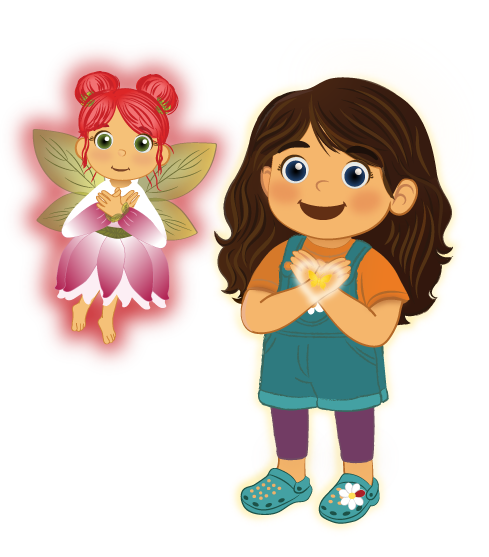
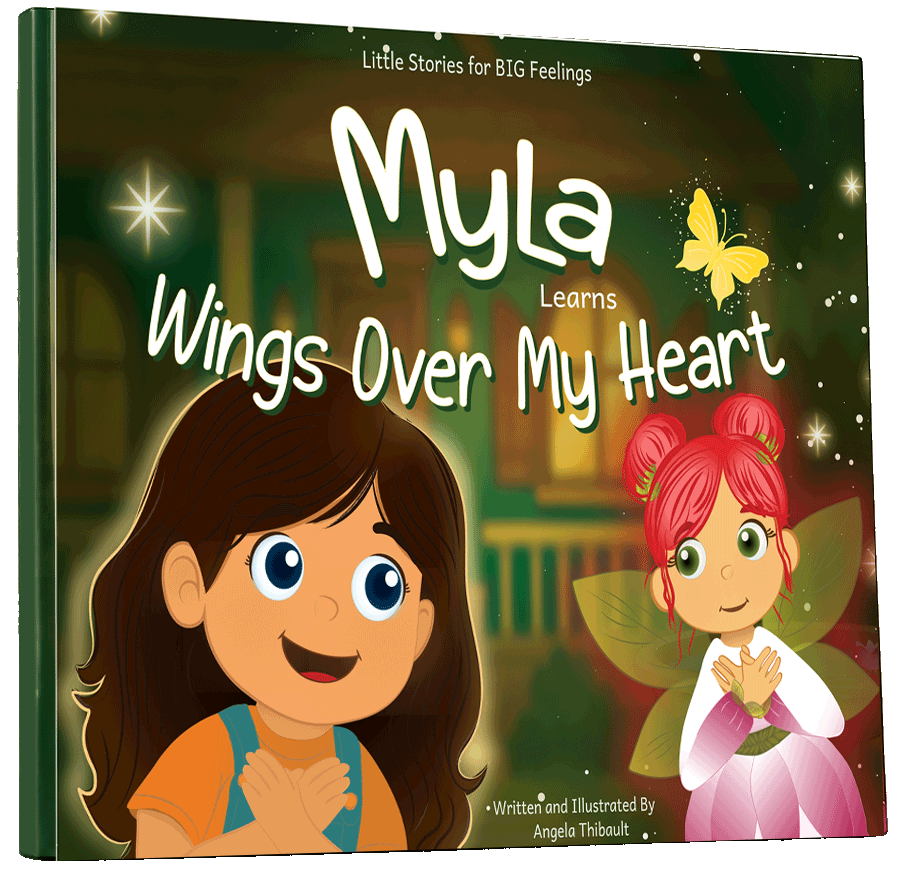
I call this proactive space the Growth Garden. In my story Myla Learns Wings Over My Heart, Myla’s safe space to explore her feelings is the garden. Gardens are where things grow. The growth garden is where we grow Emotional Awareness together.
Unlike a calm down corner—which is a place a child goes alone after things go wrong—the Growth Garden is a shared sanctuary. It is an area built around two distinct phases: The BEFORE Prep and The DURING Practice.
1. The BEFORE Prep (Planting the Seeds)
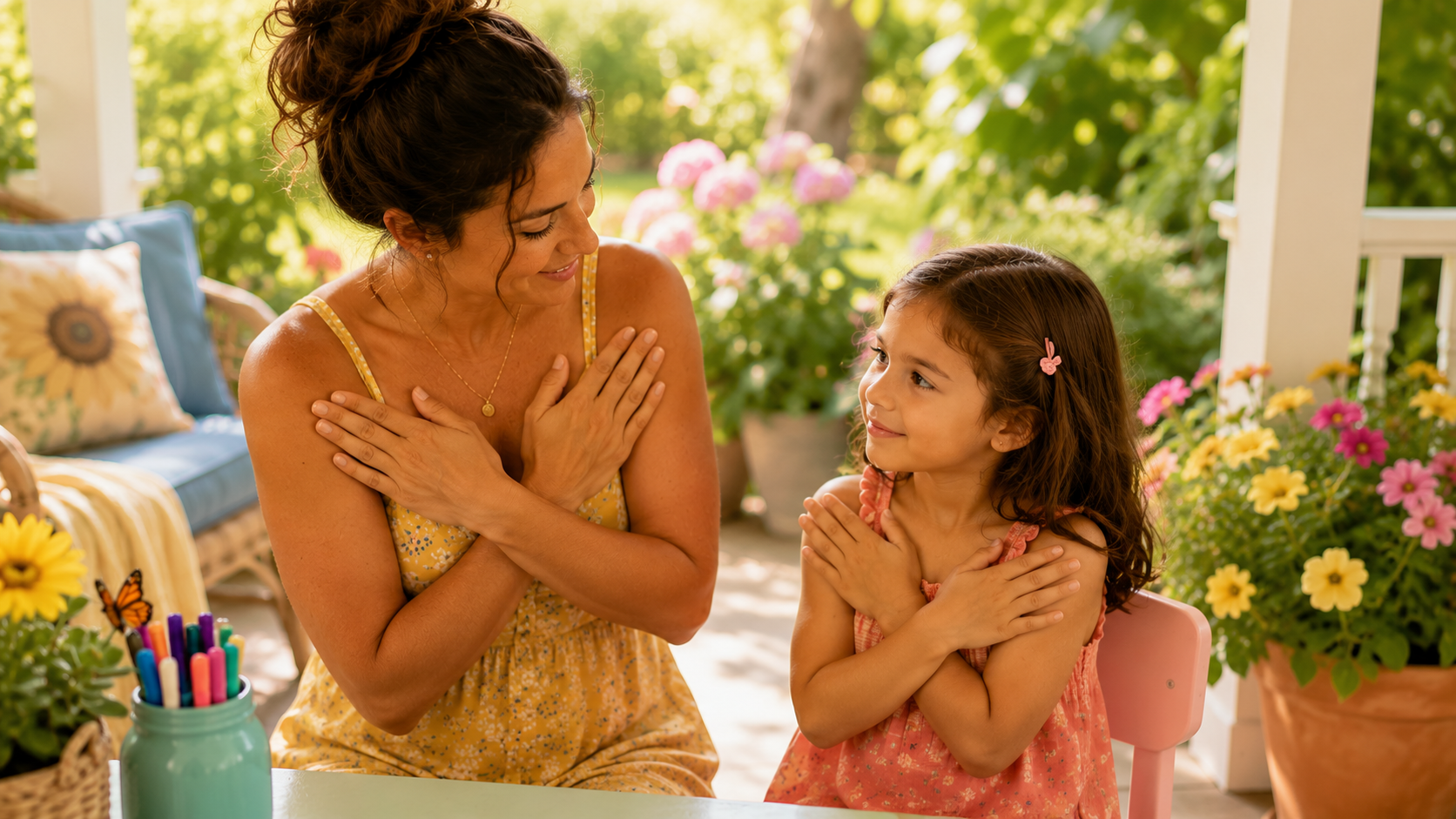
This phase happens when everyone is calm, happy, and regulated. It takes just five minutes a day.
- What it looks like: On a centered day, you and your child visit the Growth Garden together. You explore processing feelings there is zero pressure.
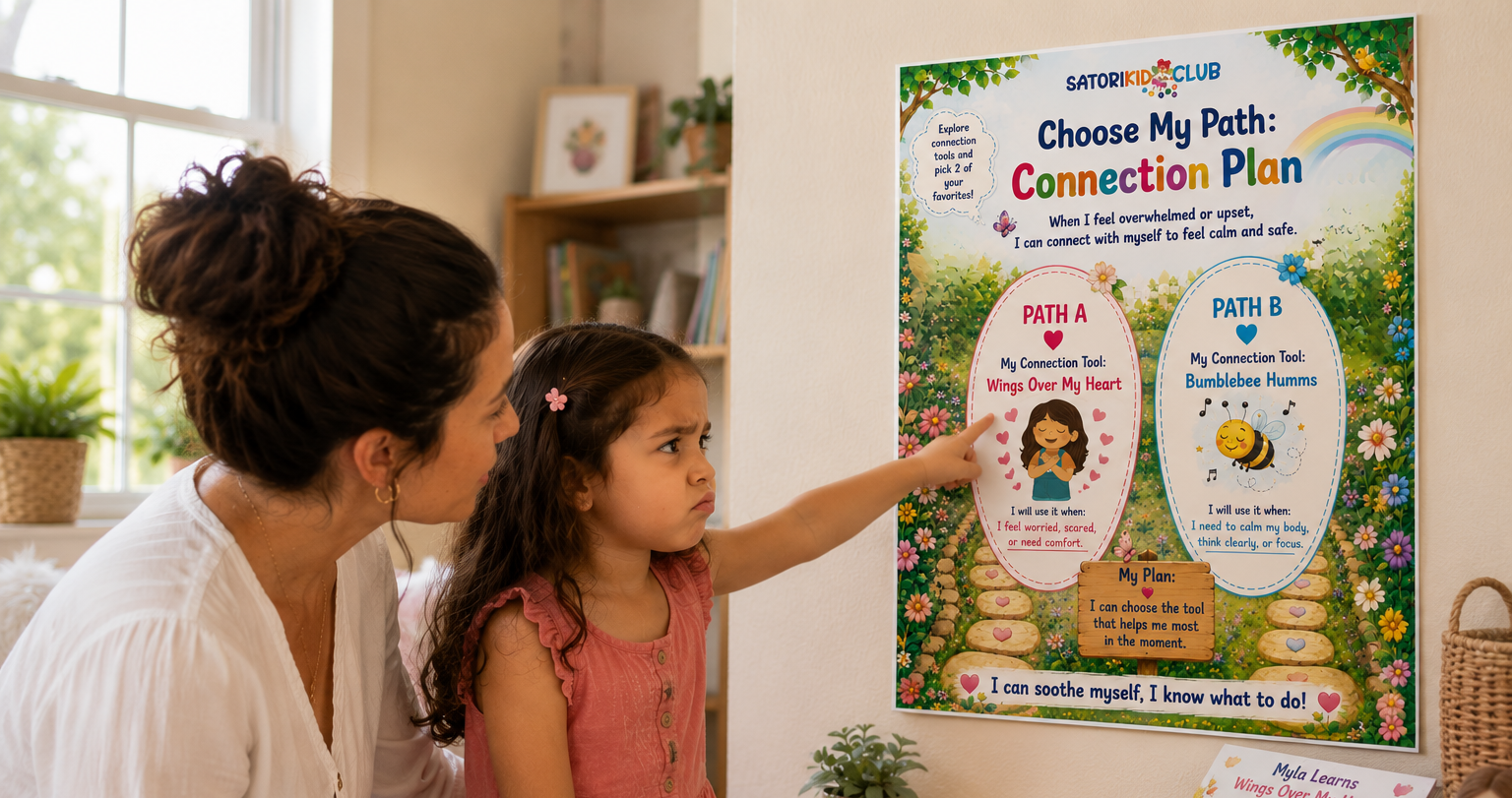
- The Goal: You explicitly teach them HOW to process big feelings. You practice somatic tools, like a gentle "Butterfly Taps," from the story Myla Learns Wings Over My Heart or using printable activities from the Growth Garden Tool Shed like “Choose My Path: Connection Plan ” building physical muscle memory in their nervous system.
2.
The DURING Practice (Watering the Garden)
When the inevitable summer emotional storm finally hits, you don't banish your child to a corner to "fix themselves." You invite them into the practice you've already built.
- What it looks like: You take The Parallel Journey™ alongside them. You walk to the Growth Garden together and say something like “Do you remember making a plan for times that we feel like this. We practiced exactly what to do for moments just like these because it's normal to have reactions, we just need to work on processing how we are feeling now so that we can go back to our day. You made a chart of your favorite ways to get centered, which one would you like to try now? You are the boss here. You get to choose. I am going to try my favorite, humming.”
- The Goal: Because the space and the tools are already deeply familiar from your "BEFORE Prep," your child’s brain doesn't fight the space nearly as much. They know exactly how to harvest the tools they practiced on a good day to find their way back to centered. They also have pride in picking their tool which provides important age appropriate autonomy skills, you did not leave them alone in their feelings but you also did not fix it for them.
Dismantling the Performative Calm Myth
As parents and educators, we have been conditioned to believe that the ultimate goal of emotional regulation is to simply "calm down." We want the crying to stop. We want the quiet.
But this creates a dangerous trap: Performative Calm.
Performative calm happens when a child suppresses their true feelings just to make the adults happy or to escape a time-out corner. On the outside, they look quiet and compliant. On the inside, their nervous system is still trapped in a high-stress storm. They haven’t actually processed anything; they have just learned to mask their emotions.
When we force a child to "calm down," we are asking them to erase their feelings. But feelings aren't bad. They are information.
The Key Difference: Calm vs. Centered
In the Growth Garden, our goal is not to force a child to be calm. Our goal is to help them get centered.
There is a massive difference between the two:
- Calm is often passive. It focuses on the absence of noise or movement. It forces a lid onto a boiling pot.
- Centered is active. Being centered means your feet are on the ground, your mind is aware, and you feel safe enough to look at your feelings without being swept away by them.
When a child is centered, they don't have to pretend their anger or sadness isn't there. Instead, they have the stability to look at their emotion and say, "I feel a heavy storm inside me right now, but I know how to breathe through it."
Activating the Satori Shift™: Getting Curious
Shifting from "calming down" to "getting centered" is exactly how we move from a reactive mess to true emotional growth.
When you use a regulation tool from the Choose My Path: Connection Plan sheet during the DURING Practice, you are activating the second step within The Satori Shift™—our 5-step method for processing feelings.
That second step is Connect.
With the Connect step, we use a physical, somatic regulation technique to anchor ourselves back to the present moment. We aren't trying to make the feeling vanish. We are trying to become centered enough so we can get curious about what our feelings are trying to tell us.
Once a child is centered, the adult and child can ask together: What is this big feeling trying to tell me? What does my body need right now?
This summer, let's stop chasing the illusion of a quiet room. Let's start building a garden of curious, centered, and resilient kids.
The Parallel Journey™: Regulating Both Sides of the Fence
In any heated summer meltdown, it is easy to focus entirely on the child. Their reaction is explosive. Their behavior is disruptive. They are easily the loudest person in the room.
But if we look closer, there are always big feelings happening on both sides of the fence.
While your child is experiencing an emotional storm, your own nervous system is likely triggering a storm of its own. You might feel your chest tighten, your jaw clench, or a sudden urge to yell. This is where traditional calm down corners completely fail us: they treat emotional regulation as a solo project for the child, while the adult stands by, completely dysregulated.
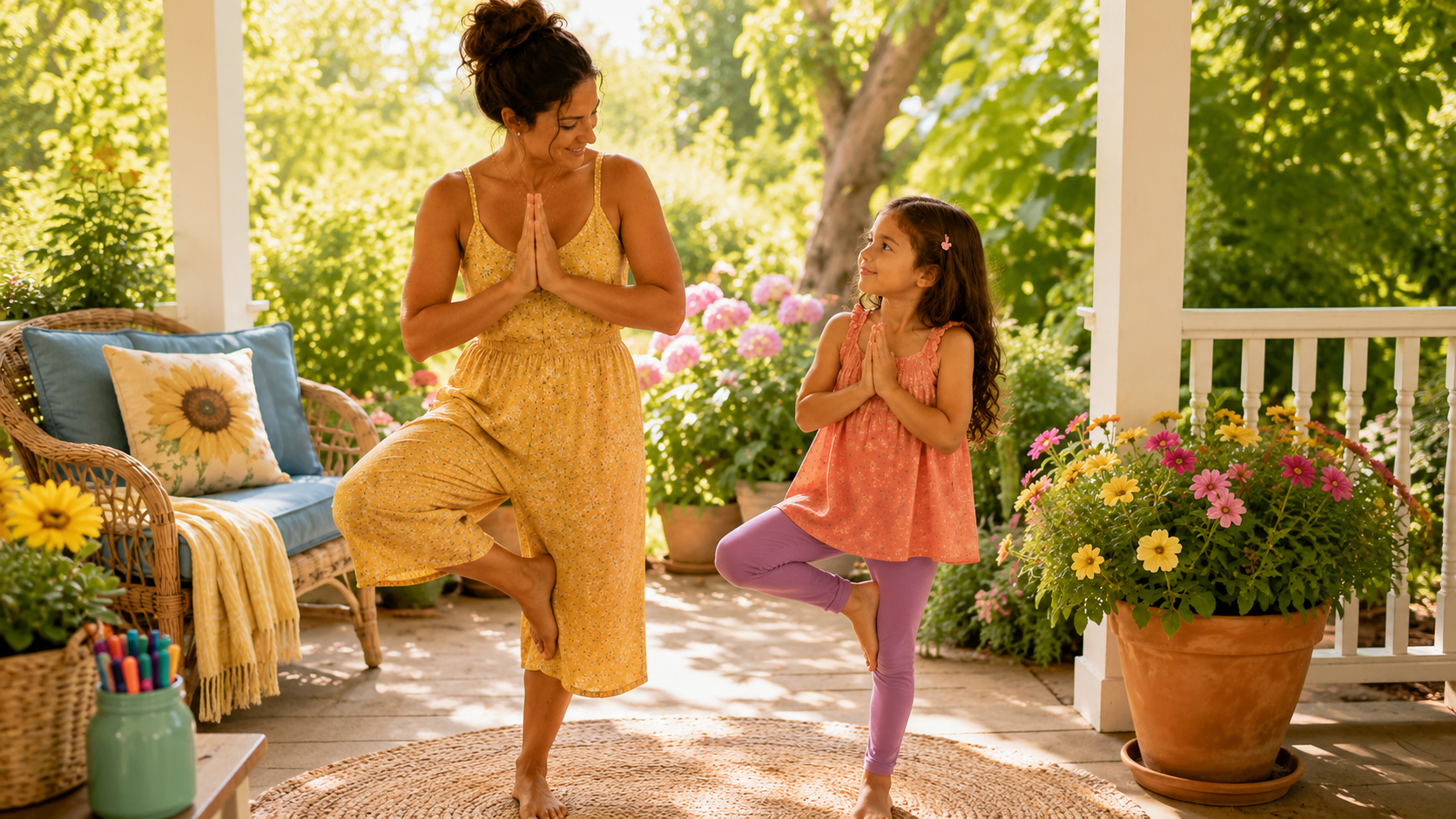
True emotional growth requires The Parallel Journey™.
Summary: You Cannot Give What You Do Not Have
Children do not learn how to process their feelings by listening to our lectures. They learn by watching how we handle our own. If we yell, "You need to calm down right now!" we are sending a mixed message to their developing brains.
The Growth Garden is not an isolation zone because emotional processing is a team sport. When you walk to the garden together during The DURING Practice, you are not just guiding them—you are anchoring yourself.
Modeling the Shift in Real Time
This is why the script we practiced earlier is so powerful. When you look at your child and say, “I am going to try my favourite humming,” you are actively stepping into The Parallel Journey™.
You are showing them that:
- Adults have big feelings too. It normalizes the fact that frustration happens to everyone, no matter how old they are.
- You are responsible for your own fence. By focusing on your own somatic tool (like humming or a Butterfly Tap), you show them how to take responsibility for an internal storm instead of taking it out on the room.
When you practice the Connect step of the Satori Shift™ alongside your child, something magical happens. Your calm, centered presence acts as a biological anchor for their chaotic energy. This is called co-regulation. You are not fixing the storm for them, and you are certainly not leaving them to drown in it alone. You are walking through it together, side-by-side, on a parallel path toward calm.
Planting the Seeds for a Centered Summer
When we stop chasing a perfectly quiet room and instead focus on building a shared sanctuary, the entire temperature of our home shifts.
By taking the time to practice emotional skills before the storm hits, you aren't just surviving the hot months. You are creating space to process emotions this summer in a way that builds lifelong resilience.
This season, let the calm down corners go. Step into the Growth Garden with your child, start your The Parallel Journey™ together, and watch how much you both can grow.
💡 Bring This Practice to Your Home:
You don’t have to figure out independent play or emotional regulation in the middle of a July meltdown. I put this entire visual framework into a beautiful, free Choose My Path: Connection Plan that you can print out and co-create with your child to serve as their sturdy, hands-on map to independence all summer long.
What’s Next?
Now that you know
WHY we need to shift from reactive corners to proactive spaces, you might be wondering what this actually looks like in your living room or classroom.
Next week, I’ll walk you through exactly HOW to set up your Growth Garden for maximum success. We will talk about choosing the right location, stocking your somatic tools, and introducing the space to your kids without the power struggles.
Don't miss the setup guide! Drop your email below to subscribe to the Satori Kid Club community and get the exact "how-to" blueprint delivered straight to your inbox the moment it drops next week.
Frequently Asked Questions About the Growth Garden
What goes inside a Growth Garden?
Download PrintableUnlike traditional calm down corners that rely on toys, a Growth Garden focuses on somatic tools and structured plans. You can populate your space with comfort items like pillows, emotional awareness books like Myla Learns Wings Over My Heart, and visual charts (like the Choose My Path plan from the Satori Tool Shed) that show children exactly how to navigate their bodies' physical reactions.
How do you transition a child out of the Growth Garden?
Because the Growth Garden is a space for practice and autonomy, the transition back to your summer schedule is built directly into the child's chosen path. Once the child uses their selected somatic tool (like a Butterfly Tap or breathing activity) to settle their nervous system, the parent check in with the child ask if the child can tell what the BIG feelings were trying to tell them, Validate those feelings and offer age appropriate choice of what they an choose next to do, step back into the day as a team.
My child refuses to use their calm down tools. What should I do?
If your child refuses their tools during a meltdown, it usually means the BEFORE Prep phase was missed. A child simply cannot learn a new coping mechanism during a high-stress moment. Instead of getting locked in a battle of obedience, pause trying to force the tool during the storm. Shift your focus entirely to co-regulating with your own somatic tools (like humming or deep breathing). Modeling your own regulation in front of your child usually brings them around to trying it themselves once their nervous system feels safe again, allowing you both to return to the Growth Garden together the next day when everyone is completely calm. (Please note: This framework is an educational suggestion for general regulation. If your child experiences severe outbursts or you suspect a deeper underlying sensory or developmental issue, please seek professional medical advice.)
☀️Read More from My Summer Survival Series



Angela Thibault is the creator of Satori Kid Club and the author and illustrator of children’s stories that children’s stories that help children learn to process BIG feelings with confidence. She is a Relational Growth Specialist who guides families in practicing emotional awareness together through dual growth between the grown up and the child. A mother for twenty-eight years, Angela has spent the last fourteen years dedicated to early childhood emotional development and relationship-based learning.
Available Now!
Also Available in
Canada Online At:
(Availability May Vary)

and in the U.S. Online At:
(Availability May Vary)




Additional Posts You Might Like!